Turn Storm-Driven Searches Into Booked Roofing Jobs
After late-summer storms, raising your Google Ads budget can bring in more roofing leads, but only if the demand is real and your team is ready. We recommend treating a storm as a short window of opportunity, not an automatic reason to spend more.
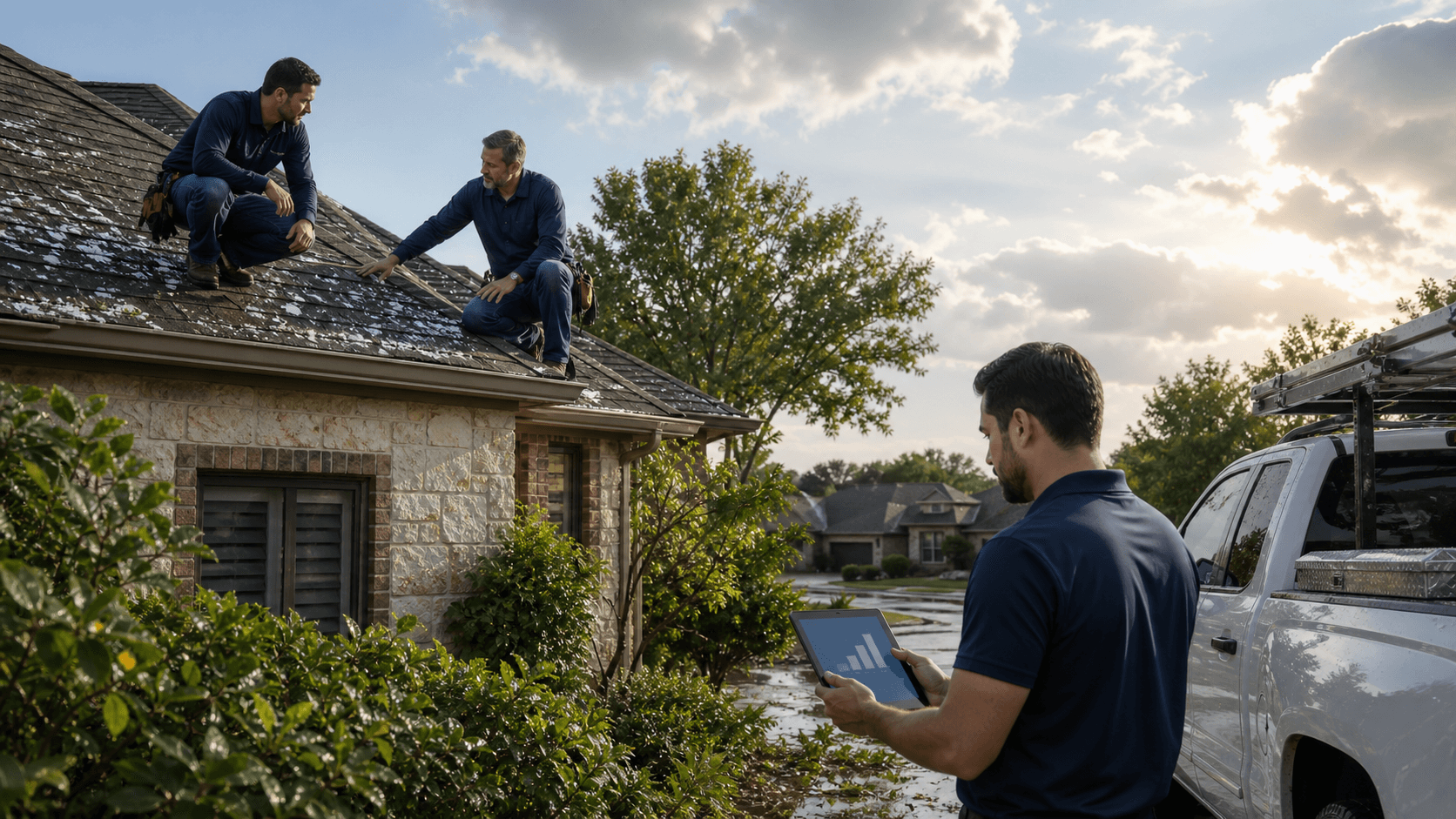
By August 20, many areas are still dealing with thunderstorms, hail, tropical systems, hurricanes, and heavy rain. Those events can quickly lead to searches for emergency roof repair, roof inspections, tarping, leak repair, and help with storm-related insurance claims. The goal is to show up when local property owners need professional help now, without paying for clicks your business cannot turn into good jobs.
Measure Whether Demand Supports More Ad Spend
A severe weather alert alone does not tell us whether more advertising spend will pay off. A storm may cause damage, but people may not be searching yet. Some may be waiting for an insurance adjuster, while others may already have a roofer lined up. On the other hand, a smaller storm in the right neighborhood can create a strong wave of urgent calls.
Before we increase a budget, we look for signs that local demand is moving. Google Ads management for roofing companies works best when decisions are based on what people are actually doing, not just what the weather report says.
Useful signals to watch include:
- Rising searches and clicks for roof repair, leaks, hail damage, and tarping
- Lower impression share, which may mean your ads are missing qualified searches
- More calls, form submissions, and activity on our Google Business Profile
- Weather alerts and storm-damage reports in communities you serve
- Search terms showing immediate needs, such as emergency repairs or inspections
Commercial signs matter more than storm headlines. If your calendar is already full, your inspectors are unavailable, or calls are going unanswered, more clicks may create more problems than profit. We want to see demand that your business can respond to and convert into scheduled inspections.
Focus Higher Budgets on High-Intent Local Searches
When demand is there, we do not spread extra budget across every roofing search. Instead, we focus on terms that suggest an urgent, revenue-producing need. Someone searching for "roof leak repair" after heavy rain is usually in a different place than someone browsing general roof colors or researching a replacement months from now.
High-intent campaign themes may include:
- Emergency roof repair
- Storm damage roof repair
- Hail damage roofing
- Roof leak repair
- Roof tarping and insurance claim assistance
Location settings deserve just as much attention as keywords. We recommend increasing spend only in the cities, ZIP codes, or neighborhoods affected by the storm and inside your practical service radius. A wider target area may bring more traffic, but it can also bring calls from people you cannot reach quickly.
Your ads and landing pages should also match the concern behind the search. Post-storm messaging can highlight fast inspections, emergency response, local availability, photo documentation, insurance support, or financing options, but only when those services are truly available through your team. Clear wording helps people understand what happens next and helps your office receive better-fit leads.
Strong Google Ads management for roofing companies also means filtering out poor searches. Negative keywords can block traffic from people looking for DIY roof repair instructions, roofing materials, employment, training, or unrelated home services. Those exclusions protect the budget for people who need a roofing professional.
Protect Profit Margins with Smarter Budget Controls
More calls do not always mean more good jobs. A storm can bring a rush of price shoppers, out-of-area requests, and people looking for services you do not provide. That is why we recommend setting clear financial guardrails before increasing ad spend.
Start by knowing what your business can accept for:
- Cost per qualified lead
- Cost per booked inspection
- Cost per signed job
- Expected value of the jobs you want to win
Rather than doubling a budget overnight, increase it in controlled steps. This gives us time to watch lead quality, call outcomes, appointment rates, response times, and close rates. If the added budget produces qualified inspections, it may make sense to keep moving upward. If calls become less useful, we can pull back before too much of the monthly budget is spent.
Storm periods can also make bidding more competitive. We protect efficiency by focusing on the times when your office can answer the phone, the devices that produce better leads, and the locations that create real inspection opportunities. Dayparting can be especially helpful if evening or weekend calls are regularly missed. There is little value in paying for urgent leads if no one is ready to respond.
Match Ad Spend to Your Team's Capacity
Speed matters after a storm. People with visible damage or an active leak often contact several roofing companies in a short period. The business that answers first, follows up clearly, and offers a prompt inspection often has the best chance to earn the work.
Before we recommend more spend, we review the operational side with you. That includes available inspectors, emergency repair crews, sales representatives, call handlers, scheduling openings, material access, and coverage areas. Advertising aggressively without enough capacity can lead to missed calls, delayed inspections, and frustrated customers.
Automation and tracking can help your team stay on top of the rush. Call tracking, recorded calls, missed-call alerts, automated text replies, CRM workflows, and lead-source reporting all make it easier to see what is happening. Just as important, these tools show which campaigns are creating serious opportunities instead of casual inquiries.
Scale Your Storm Strategy with Data
The right post-storm budget depends on local demand, job quality, competition, and your ability to respond quickly. During a high-demand weather period, we recommend reviewing performance daily and shifting spend toward the locations, services, and search terms producing qualified inspections and signed work.
A thoughtful increase can help you capture urgent roofing opportunities without losing control of your budget. Watch the calls, listen to lead quality, track booked inspections, and adjust quickly when demand changes.
Turn Storm Demand Into Better Roofing Leads
At AdVantage Media LLC, we help roofing contractors build campaigns that prioritize the calls most likely to become profitable jobs. Get strategic Google Ads management for roofing companies that aligns your spend with the services and markets that matter most. Our team can help you improve campaign structure, lead tracking, and ongoing optimization for stronger results.